Avery Carter · 8 November 2026
Examining how cross-functional engineering squads at expanding digital platforms coordinate API versioning to support seamless third-party integrations during user surges
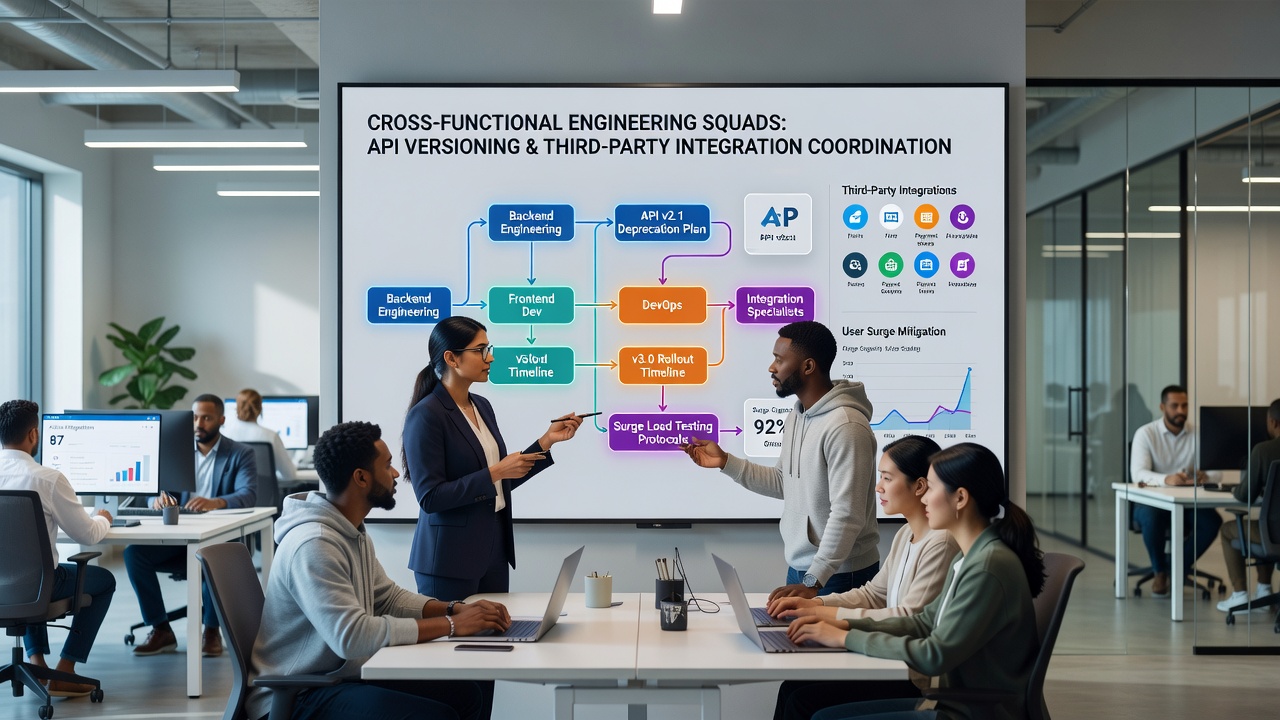
Cross-functional engineering squads at growing digital platforms bring together developers, product managers, infrastructure specialists and integration experts to handle API versioning in coordinated ways that keep third-party connections stable even when user numbers spike unexpectedly. These teams typically establish shared processes that combine semantic versioning standards with automated compatibility checks, allowing services to evolve without breaking existing integrations that rely on consistent endpoints and response formats.
Establishing Shared Versioning Protocols Across Teams
Engineering squads often adopt semantic versioning as a baseline because it provides clear signals through major, minor and patch increments, yet they layer additional governance on top to address platform-specific needs during rapid scaling. Product managers work with developers to define deprecation timelines that give external partners advance notice, while infrastructure teams monitor traffic patterns to predict when a new version rollout might coincide with peak loads. Data from the OECD Digital Economy Outlook shows that platforms handling millions of daily API calls benefit when squads align their release calendars around anticipated growth periods, reducing the risk of version conflicts that could disrupt third-party applications.
Communication channels inside these squads include dedicated API documentation repositories and automated notification systems that alert partners about upcoming changes, and observers note that this approach becomes especially important when user surges push traffic beyond normal thresholds. Teams frequently run compatibility testing environments that simulate high-volume scenarios, allowing them to verify that both current and legacy API versions remain responsive under pressure without requiring partners to update their code immediately.
Managing Compatibility During Traffic Spikes
When user bases expand quickly, squads shift focus to maintaining backward compatibility while introducing new features, which involves routing requests through version-aware gateways that direct traffic to the appropriate implementation based on headers or URL paths. Researchers at institutions such as those contributing to the NIST publications on platform scaling have documented cases where platforms in November 2026 experienced sudden integration demands from third-party services during holiday shopping events, prompting squads to activate parallel version support rather than forcing immediate migrations.
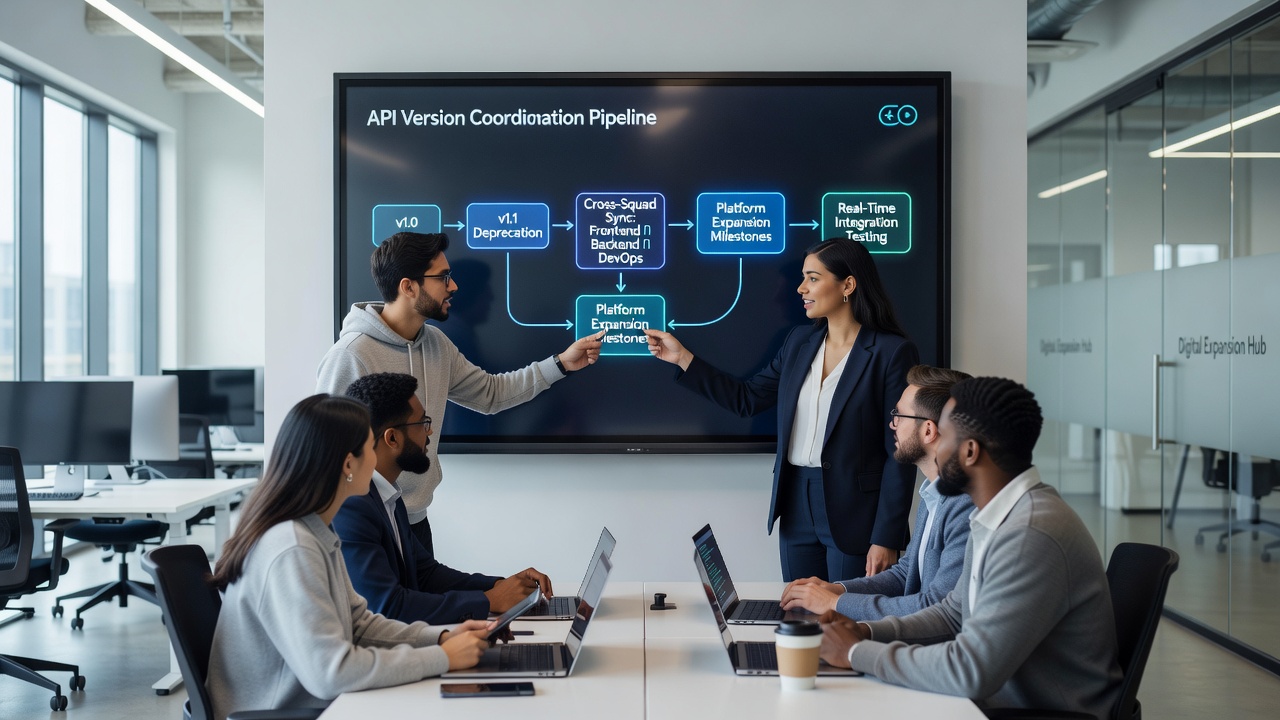
Monitoring tools integrated into the workflow provide real-time visibility into which versions receive the most calls, enabling squads to prioritize stability fixes for widely adopted endpoints while newer versions undergo controlled testing. This division of labor keeps the squads responsive because infrastructure specialists handle load balancing, developers refine code paths, and integration leads maintain direct outreach to external developers who depend on reliable interfaces.
Coordinating Rollouts With External Partners
Effective coordination extends beyond internal teams to include structured feedback loops with third-party developers, often through staged beta programs that let partners validate their applications against upcoming API versions before full deployment. Squads track adoption rates across different versions using analytics dashboards that aggregate anonymized usage data, which helps them decide when older versions can be safely retired without causing widespread disruption. In practice this means maintaining multiple active versions for extended periods during growth phases, a strategy that demands careful resource allocation to avoid performance degradation when overall traffic multiplies.
Platforms that have scaled through 2025 and into late 2026 demonstrate how these squads use feature flags and canary releases to introduce changes gradually, giving them the ability to roll back quickly if third-party integrations encounter unexpected issues. The process relies on clear ownership assignments so that each squad member understands their role in monitoring, communicating and executing version transitions under varying load conditions.
Conclusion
Cross-functional engineering squads at expanding digital platforms coordinate API versioning through structured protocols, compatibility testing and partner communication frameworks that collectively support stable third-party integrations even amid sudden user increases. These practices draw on established standards while adapting to specific platform demands, allowing services to evolve in measured steps that protect existing connections and accommodate growth. Observers continue to track how such coordination evolves as digital ecosystems expand further in coming years.