Lars Ludwig · 27 September 2026
Decoding User Intent Signals to Refine Content Strategies in Dynamic Digital Environments
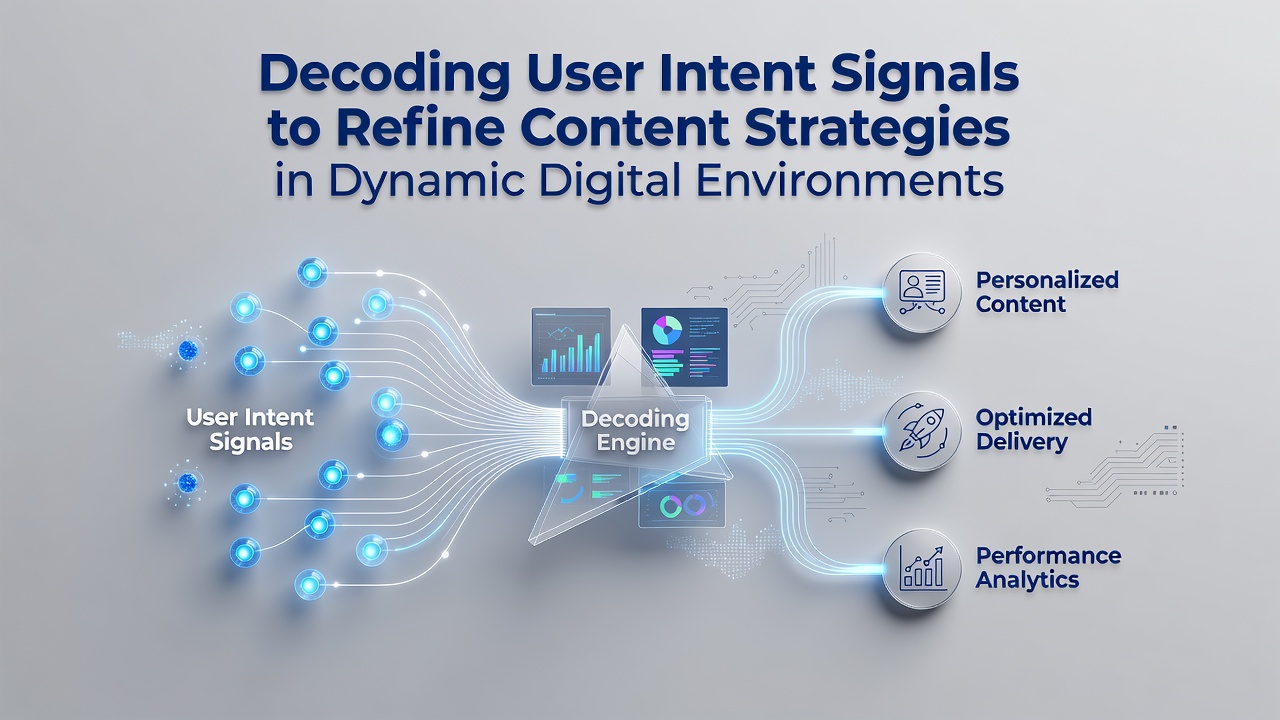
Digital platforms process vast quantities of behavioral data each day, and organizations track these patterns to identify what users seek when they interact with online content. Researchers have documented how signals such as query phrasing, navigation paths, and engagement duration combine to form recognizable intent profiles, which then guide adjustments in publishing schedules and topic selection.
Core Components of Intent Detection
Search engines record click patterns, scroll depth, and return visits while content management systems log dwell time and conversion events, and analysts combine these metrics to separate informational queries from transactional ones. Data from multiple studies shows that users who linger on comparison pages tend to move toward purchase decisions, whereas those who exit after skimming headlines often seek quick answers, so content teams adjust headline length and supporting visuals accordingly.
Session recordings and heat maps further reveal where attention concentrates on a page, allowing teams to reposition key explanations or calls to action without altering the core message. Observers note that mobile sessions frequently display shorter attention spans than desktop ones, prompting separate formatting rules for each device category.
Real-Time Adaptation in Changing Environments
Algorithms update continuously as new data arrives, and content platforms respond by testing variations in metadata, internal linking structures, and recommended article sequences. In September 2026 several enterprise systems began integrating live intent classifiers that adjust page elements within minutes of detecting shifts in aggregate user behavior, according to reports issued by the Pew Research Center. These classifiers examine recent search refinements and cross-reference them with historical session data to predict the next likely action.
Teams that monitor these signals can reorder navigation menus or swap featured modules before traffic volumes change noticeably. European Commission digital market analyses indicate that organizations applying such adjustments maintain steadier traffic retention across seasonal fluctuations compared with those relying on fixed editorial calendars.
Signal Categories and Measurement Methods
Explicit signals appear in typed queries and selected filters, while implicit signals emerge from cursor movement, tab switching, and exit rates. Analysts convert both types into weighted scores that feed recommendation engines, and the resulting models surface topics likely to match the dominant intent cluster for a given audience segment. Academic work at several North American universities has confirmed that combining explicit and implicit layers improves prediction accuracy by measurable margins over single-source approaches.

Geographic and temporal variables add further granularity, because intent distributions shift between regions and across hours of the day. Australian Bureau of Statistics publications on digital engagement document how evening traffic leans toward entertainment categories while morning sessions cluster around news and productivity tools, prompting regional content variants that reflect these recurring patterns.
Integration with Broader Content Workflows
Editorial calendars now incorporate weekly intent audits that compare predicted versus actual engagement metrics, adn teams revise upcoming assignments when divergence exceeds set thresholds. This practice keeps topic selections aligned with evolving user priorities rather than predetermined themes. Workflow tools surface alerts when a spike in informational queries precedes a later rise in transactional ones, giving writers lead time to prepare supporting material.
Cross-functional groups that include data specialists, writers, and designers review these alerts together, ensuring that technical adjustments and creative decisions remain coordinated. The process relies on documented thresholds and shared dashboards so that changes remain traceable and reversible when conditions shift again.
Conclusion
Organizations continue to refine their use of intent signals as measurement tools improve and data sources multiply. Consistent application of these methods supports content that matches what users demonstrate they need at each stage of interaction, while the underlying data collection practices evolve alongside platform capabilities and regulatory expectations.